Before Your Dog Hits the Sand: A Jupiter Beach Day Packing List That Actually Matters
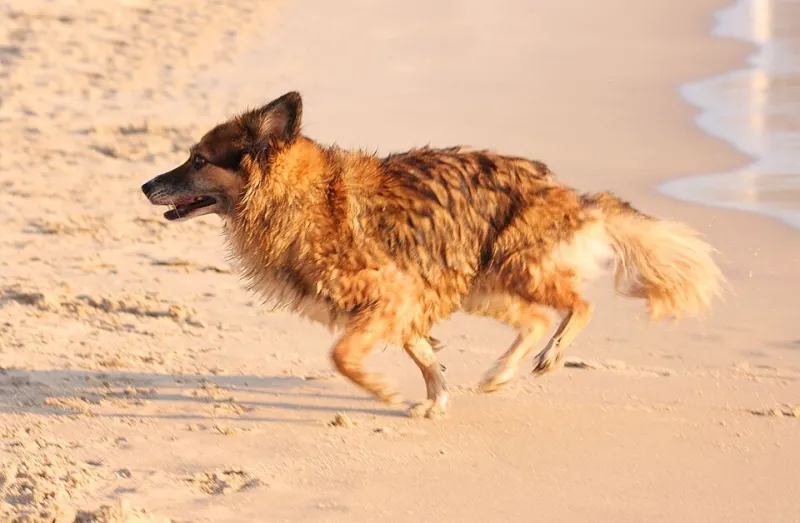
Photo: photos8.com, CC BY 2.0, via Wikimedia Commons
There's nothing quite like watching a dog discover the ocean for the first time — the zoomies on wet sand, the confused barking at waves, the pure joy. Jupiter is lucky enough to have some of the best dog-friendly beach access in Florida, and we see plenty of sandy, happy pups in our lobby every week.
We also see the other side of it: the dog who drank half the Atlantic, the paws shredded by scorching sand, the face suddenly swollen from a jellyfish run-in. Beach days go sideways fast, and almost always for preventable reasons.
So before you load up the car, here's the checklist our team actually wishes every owner would run through.
Why Saltwater Is the Sneaky Danger
Let's start with the one that surprises people most. Dogs don't just swallow seawater while swimming — they drink it on purpose, especially ball-chasing retrievers who spend an hour grabbing toys out of the surf.
Ocean water contains roughly 3.5% salt. A dog who gulps enough of it develops what's called saltwater toxicosis. Early signs look a lot like a hangover: vomiting, diarrhea, lethargy, and unusual thirst. In serious cases, the salt imbalance affects the brain, causing tremors, seizures, and coordination loss.
The frustrating part? It's completely avoidable.
Do this instead: Bring a large bottle of fresh water and a collapsible bowl, and offer it every 20–30 minutes. A well-hydrated dog is far less likely to treat the ocean like a water fountain. If your dog does take in a lot of seawater and starts vomiting repeatedly or acting wobbly, that's a call-the-vet situation, not a wait-and-see one.
The Sand Isn't Just Between Their Toes
Here in Jupiter, sand temperature is a year-round concern. On a sunny July afternoon, beach sand can easily exceed 130°F — hot enough to burn paw pads in under a minute. The classic test: press your own palm (or bare foot) into the sand for seven seconds. If you can't hold it, your dog shouldn't be walking on it.
Even on cooler days, sand creates other problems:
- Sand impaction. Dogs who habitually dig and snap at sand (or fetch toys coated in it) can swallow enough to cause a painful intestinal blockage. Watch for vomiting, constipation, or a hunched, uncomfortable posture after a beach day.
- Irritation between the toes. Grit works its way into paw folds, especially in fluffy-footed breeds, causing redness and licking that can snowball into infection.
- Sand fleas and other hitchhikers. The name says it all. Beach-adjacent sand can harbor fleas and, in our area, flea prevention needs to be current before any shoreline trip.
A quick paw rinse with fresh water before you get in the car handles most of this. Keep an old towel in the trunk — you'll thank yourself.
Jellyfish, Stingrays, and Other Locals
The Atlantic delivers an occasional surprise, and curious dogs are usually the first ones to find it.
Jellyfish: Even washed-up, dried-out jellyfish can still sting. If your dog paws at their muzzle, drools heavily, or develops facial swelling after sniffing something on the sand, rinse the area with seawater (not fresh water, which can trigger more stinging cells) and call us.
Stingrays: The shuffle isn't just for humans. Stingrays bury in the shallows, and a startled ray can whip its barb into a dog's leg or chest. Keep your pup out of shallow, murky water where rays like to rest, especially in warmer months.
Sharp shells and fishhooks: Piers and fishing spots mean discarded hooks and line. A swallowed fishhook is a true emergency — never pull on visible line.
Your Printable Beach Day Checklist
Screenshot this or tape it to the fridge:
In the bag:
- Fresh water (at least 1 gallon for a medium dog) + collapsible bowl
- Leash and well-fitting collar with ID tags (check the phone number!)
- Long-line or beach lead if the area allows more roaming
- Shade source — umbrella, pop-up tent, or cooling mat
- Old towels and a jug of rinse water for paws
- Current flea and heartworm prevention (administered, not just purchased)
- Poop bags — it's the law at most dog beaches and the right thing to do
- Your vet's phone number saved in your contacts
Before you go:
- Check the heat index — skip midday in summer, go early morning or evening
- Do the 7-second sand test on arrival
- Confirm your dog is up to date on vaccines; dog beaches are a social hub for every sniffable thing
Call the vet if you notice:
- Repeated vomiting or diarrhea after swimming
- Wobbliness, tremors, or confusion
- Limping, favoring a paw, or visible pad injury
- Facial swelling, excessive drooling, or pawing at the mouth
- A hunched, painful belly
Know When the Fun Is Over
Most beach days end with nothing worse than a sandy car and a tired dog. But dogs are terrible at self-regulating — they'll chase the ball until they drop, drink the ocean until they're sick, and never once tell you their paws are burning. You're the off switch. Watch the clock, watch the water bowl, and watch the sand beneath their feet.
If something does go wrong out there, we're right down the road. Save our number before you head out, and here's to a season full of nothing but good beach days.