The Yearly Checkup Isn't One-Size-Fits-All: How Your Pet's Exam Evolves From Paw to Gray Muzzle
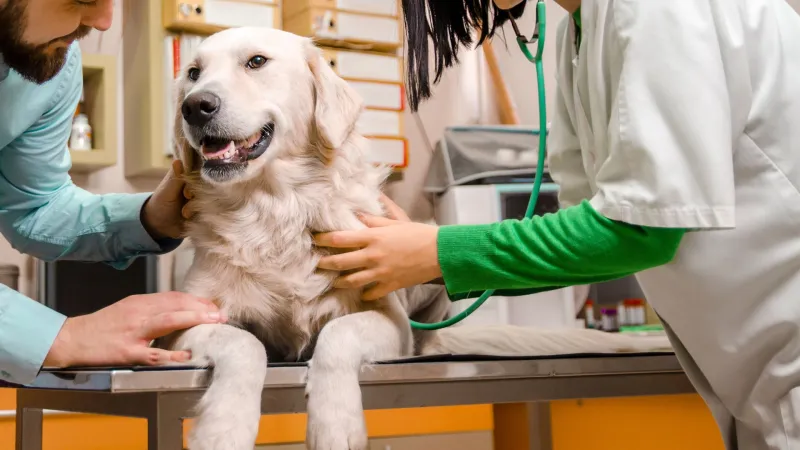
Photo: veterinarian examining senior dog wellness exam clinic, via pocovetclinic.com
If you've ever wondered what actually happens when we take your pet to 'the back' for a wellness exam, you're not alone. Plenty of Jupiter pet parents assume it's the same quick once-over every year — ears, heart, done. The truth is a lot more interesting. A wellness exam is a moving target, and the checklist changes dramatically from the wiggly kitten stage all the way to the dignified gray muzzle years.
Here's a look at how priorities shift, life stage by life stage.
The Baby Book Years: Puppy and Kitten Exams
Young pets get the most frequent visits, and for good reason — they're building the foundation for everything that comes later.
At a puppy or kitten exam, we're checking for congenital issues (heart murmurs, hernias, bite alignment), confirming vaccine schedules, and running a fecal test, because intestinal parasites are practically a rite of passage in Florida's warm, humid climate. We'll also talk nutrition, spay/neuter timing, and microchipping — the stuff that's easiest to get right when you start early.
Think of these visits as pediatric checkups. They're frequent, they're thorough, and they set the baseline we'll compare against for the rest of your pet's life.
The Prime of Life: Adult Exams (Ages 1–7)
Here's where a lot of owners ease off. Your pet seems fine, the zoomies are strong, so what's the point?
The point is that adult pets are experts at hiding problems. The conditions we most commonly catch in adult wellness exams around Jupiter are:
- Heartworm disease. Mosquitoes don't take a season off in South Florida, and we diagnose heartworm in pets whose owners thought monthly prevention was optional. A simple annual blood test catches it early.
- Dental disease. By age three, most dogs and cats already show signs of periodontal disease. We check for tartar, gum recession, and fractured teeth — issues that cause chronic pain long before your pet stops eating.
- Weight creep. An extra pound on a beagle is like ten on a person. Extra weight sets the stage for joint problems, diabetes, and shortened lifespans.
Adult exams are about early detection. The diseases we find in this stage are almost always cheaper, easier, and kinder to treat than the same diseases found two years later.
The Senior Shift: Exams After Age 7
Once your pet crosses into senior territory — around age seven for most dogs, a bit later for cats — the exam gets more detailed, and we typically recommend bloodwork and a urinalysis alongside the physical.
Why? Because seniors are the champs at masking illness. Kidney disease, arthritis, thyroid issues, and even cancers can develop quietly. Routine screening gives us a baseline trend: if your cat's kidney values were normal last year and slightly elevated this year, that's actionable information. If we only see them once every three years, we've lost the story.
Senior exams also put extra focus on mobility, blood pressure, and oral health — the three areas most likely to affect quality of life.
Your Bring-Along Checklist
Want to get more out of your next appointment? Jot down answers to these before you come in:
- Any changes in appetite, thirst, or bathroom habits? (Increased thirst is a classic early flag.)
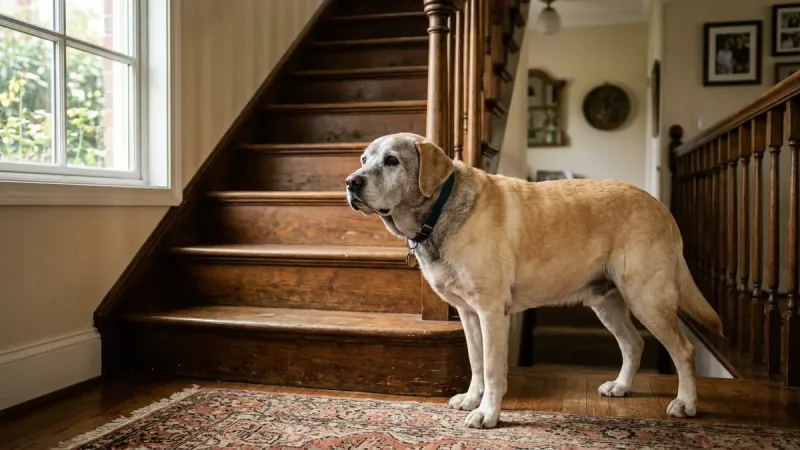
- Is your pet moving differently? Hesitating on stairs, hopping off the couch less?
- Bad breath? Not just stinky — genuinely foul.
- Behavior shifts. New grumpiness, hiding, sleeping more?
- What food and how much? Be honest — we can tell when the treats are unaccounted for.
- Prevention status. Heartworm, flea, and tick meds — last dose given?
- Your questions. Write them down. Appointment brain is real.
One Visit a Year Is a Small Ask
We get it — life in Jupiter is busy, and if your pet seems healthy, the exam feels optional. But annual wellness visits are how we catch heartworm before it damages the heart, dental disease before it costs a mouthful of extractions, and joint issues before they steal the fetch years. One hour a year buys you a healthier pet and, honestly, fewer surprise vet bills down the road.
Book your pet's exam, bring your checklist, and let's catch the little things before they become big things.