Before You Unclip the Leash: A Jupiter Dog Park Reality Check
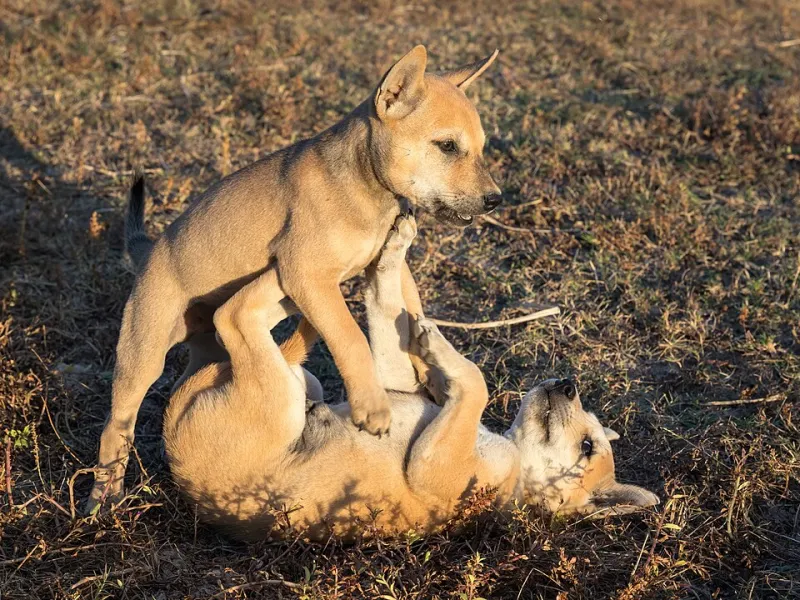
Photo: Basile Morin, CC BY-SA 4.0, via Wikimedia Commons
There's a certain joy in watching your dog bound through the gate at a dog park — ears back, tail high, ready to make eleven new best friends before you've even found a bench. And honestly? For a lot of Jupiter pups, that's exactly what the park delivers: exercise, socialization, and a good old-fashioned sniff tour.
But we also see the other side of it in our exam rooms. The torn nail from a scuffle. The kennel cough that swept through a whole playgroup. The dog who came home limping after a too-enthusiastic game of chase. None of this means dog parks are bad — it means a little preparation goes a long way.
Start With the Paperwork: Is Your Dog Actually Ready?
Before your dog mingles with a crowd, their preventive care should be current. That means:
- Rabies and DHPP (distemper/parvo combo) — non-negotiable, and required by most municipal parks
- Bordetella — kennel cough spreads easily in groups, and this one often slips through the cracks
- Canine influenza — worth discussing with your vet, especially if your dog visits parks or boarding facilities regularly
- Flea, tick, and heartworm prevention — year-round in South Florida, no exceptions
A dog park is only as healthy as the animals in it. If your pup is coughing, has diarrhea, or just seems off, skip the park. You'll be protecting other dogs — and sparing yourself a vet visit.
One more thing: puppies under four months with incomplete vaccines, and dogs who are fearful or reactive around other animals, generally aren't park candidates yet. There's no shame in that. It's about matching the environment to the dog.
Reading the Room (and the Dogs in It)
The first two minutes at any park tell you a lot. Do a slow loop before you unleash. Watch for:
- A pack ganging up on one dog. Play that's fair involves role reversals. If the same dog is always the chaser, the pinner, the one getting ganged up on, that's not play — that's a problem brewing.
- Stiff, frozen body language. Loose, wiggly dogs are having fun. A stiff tail held high, hard stares, or a raised hackle that doesn't settle means tension.
- An owner glued to their phone. You'll spot this one fast. A park full of distracted humans is a park where small problems snowball.
- Too many dogs, too little space. Crowding is the number one trigger for scuffles.
And watch your own dog, too. Play can look chaotic — that's normal. But if your pup is hiding behind your legs, yawning, lip-licking, or trying to leave, they're telling you something. Listen to them. A dog who learns that the park is scary doesn't get over it by being pushed in deeper.
Your Quick Park Evaluation Checklist
Ask yourself these questions next time you pull into the parking lot:
- Is the gate entry double-doored, so no dog can slip out mid-entrance?
- Is the ground free of standing water, broken glass, and — let's be honest — uncollected poop?
- Are there separate areas for big and small dogs, and are people actually using them?
- Is there shade and water available? In our climate, this isn't a luxury.
- Are the humans present, attentive, and picking up after their dogs?
If you're answering "no" more than once or twice, that park may not be worth the risk on a given day.
When to Choose Something Else Entirely
Here's a truth we tell clients often: the dog park isn't the only path to a happy, well-exercised dog. Some alternatives around Jupiter might actually suit your pup better.
A leash-free beach morning (where permitted) gives dogs room to run with fewer close-quarters encounters. Quiet neighborhood walks or trail strolls offer mental stimulation without the chaos. One-on-one playdates with a known dog friend are often richer socialization than a park free-for-all — think of it as a coffee with a friend versus a crowded party.
And for the social butterflies who genuinely love the park? Go at off-peak hours. Early weekday mornings tend to be calmer than weekend afternoons, and a smaller, familiar crew means fewer surprises.
A Final Word From Your Vet Team
Dog parks work best for dogs who are healthy, vaccinated, confident, and supervised by humans paying attention. If that describes your pup — great, go have fun. If it doesn't, there's zero shame in choosing a quieter adventure while you build skills (and maybe work on some training) together.
Not sure whether your dog is park-ready? That's a conversation we love having. Bring your questions to your next wellness exam, and we'll help you figure out whether the park, the beach, or a peaceful trail is the right call for your four-legged friend.