From First Shots to First Birthday: Your Jupiter Puppy's Vet Calendar, Sorted
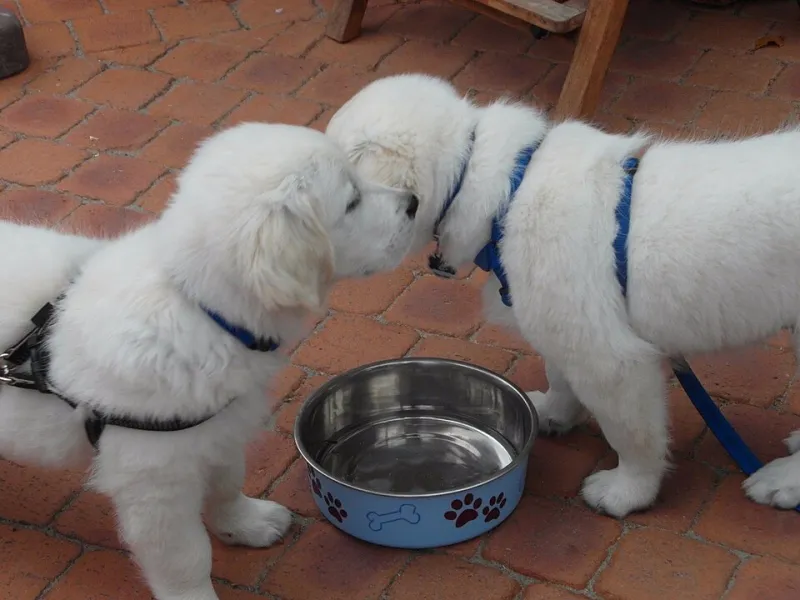
Photo: Johannnes89, CC BY-SA 4.0, via Wikimedia Commons
Bringing home a puppy is a blur of chew toys, potty accidents, and late-night Google searches. Somewhere in the chaos, there's a vaccination schedule to follow, a spay or neuter decision to make, and a deworming plan that seems to change every few weeks. We get it — that's why we put together this calendar. Think of it as your puppy's first-year itinerary, Jupiter edition.
Weeks 6–8: The Handoff
Most puppies come home around eight weeks, ideally already having had their first distemper-parvo combination shot from the breeder or rescue. Ask for paperwork — we mean it. That first vaccine date matters, because the rest of the puppy series is timed around it.
If your pup hasn't been dewormed yet, that's step one. Nearly all puppies carry roundworms, no matter how clean their start looked. A simple dewormer at the first visit takes care of it before it becomes a bigger problem (or a bigger mess on your rug).
Months 2–3: The Vaccine Marathon
This stretch is appointment-heavy, and there's no way around it. Your pup will need boosters every three to four weeks until roughly 16 weeks of age — typically distemper-parvo combinations, plus Bordetella if boarding or puppy classes are on the horizon, and a rabies shot around the four-month mark.
One thing we tell every Jupiter puppy parent: start heartworm prevention now, not later. Mosquitoes here don't take winter off, and heartworm disease is far easier — and cheaper — to prevent than to treat. A monthly chewable starting at eight weeks sets a habit that should last a lifetime.
The Socialization Window Nobody Talks About
Here's the tricky part: your puppy's prime socialization window closes around 14–16 weeks, right in the middle of the vaccine series. Fully socialized but not fully vaccinated — what's a responsible owner to do?
The answer isn't keeping your pup in a bubble. It's being smart about exposure:
- Carry them. A puppy held in your arms at the Jupiter farmers market or a pet-friendly patio gets the sights and sounds without the sidewalk germs.
- Enroll in puppy classes that require vaccines. Well-run trainers in the Jupiter area ask for proof of age-appropriate shots, which keeps the risk low and the learning high.
- Invite healthy, vaccinated dogs over. A friend's calm adult dog teaches your puppy more about dog manners than a month of YouTube videos.
- Mix up the scenery. Elevators, car rides, different floor textures, people in hats — novelty now builds confidence later.
Missing this window is one of the most common (and most preventable) reasons we see anxious adolescent dogs at behavior consults.
Months 4–6: The Spay/Neuter Conversation
There's no single right answer here anymore. For small-breed pups, spaying or neutering around six months is still a common recommendation. For larger breeds — think Goldens, Labs, Great Danes — many veterinarians now suggest waiting until 12–18 months so growth plates close properly, which may reduce the risk of certain joint problems later.
The best move? Bring your specific puppy to a wellness exam and talk it through. Breed, size, lifestyle, and your household all factor in. We're happy to lay out the trade-offs without pushing you toward a one-size-fits-all answer.
Months 6–12: Settling Into a Rhythm
Once the puppy series wraps up, the schedule gets easier:
- Monthly heartworm prevention, year-round. Yes, even in January. Especially in January.
- Flea and tick control matched to your lifestyle — beach walks and dog park trips raise the stakes.
- A six-month checkup to track growth, check adult teeth coming in (retained baby teeth are common in small breeds), and catch any lingering issues early.
- Adolescent training refreshers. Around 8–10 months, many pups hit a rebellious phase. That's normal, not a character flaw.
First Birthday: The Graduation Exam
At the one-year mark, your puppy officially graduates to annual wellness visits. This exam establishes a baseline — weight, dental health, heart and lung sounds, parasite screening — that makes future checkups far more useful. If anything's been brewing quietly, this is when we catch it.
One Last Thing
Keep every receipt, vaccine record, and weight note in one folder — physical or digital. Future-you, whether scheduling a boarding stay or filling out a rental application, will be grateful.
And if you're ever unsure whether something counts as "normal puppy behavior" or a reason to call? Just ask. That's what we're here for. From first shots to first birthday, we'd love to be part of your pup's Jupiter story.