The Loxahatchee Bank Is Littered With Trouble: Protecting Your Dog From Hooks, Lures, and Lost Line
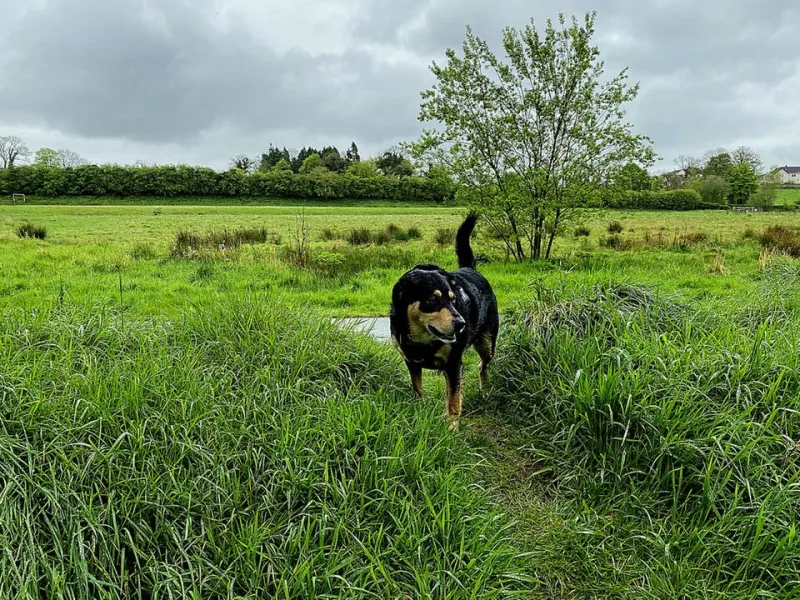
Photo: Kenneth Allen , CC BY-SA 2.0, via Wikimedia Commons
There's a particular kind of peace that comes with a fishing pole in hand and your dog settled at your feet on the banks of the Loxahatchee River. It's a Jupiter ritual as old as the town itself. But we see the other side of that picture at our clinic: the limping dog with a treble hook buried in a paw pad, the retriever who swallowed something shiny off the ground, the pup whose intestines are tangled in monofilament line.
Fishing gear injuries are among the most preventable emergencies we treat, and they spike wherever people fish, which, in Jupiter, is basically everywhere.
Why the Water's Edge Is Riskier Than It Looks
Hooks and lures don't announce themselves. A snagged lure tangled in overhanging brush looks like debris. A length of clear monofilament, nearly invisible against sand or grass, can wrap around a leg or toe in seconds. And fish guts or bait left on the bank? That's a five-star buffet to a dog with a powerful nose.
The danger isn't just puncture wounds. Ingested line can saw through delicate intestinal tissue, and swallowed hooks can lodge in the throat, stomach, or beyond. A barbed hook doesn't back out the way it went in.
Hook in the Paw: Your First-Aid Playbook
If your dog steps on or brushes against a hook, resist the urge to yank it out. Here's what we recommend:
- Stay calm and restrain gently. A panicked dog in pain can bite, even yours. Have someone hold them or loop a leash around their waist.
- Don't cut the line short yet. Leave six inches or more attached to the hook so we can track it.
- Don't push it through unless you truly can't reach us and the hook is fully embedded with the barb exposed. Pushing a barb through, cutting it off, and backing the hook out is a last-resort field technique, not a first choice.
- Stabilize the area. A sock or soft cloth over the hook prevents further movement and keeps your dog from chewing at it.
- Head to the vet. Even a hook that looks superficial usually needs removal with proper pain control, and the puncture itself can introduce bacteria.
Swallowed Is a Whole Different Emergency
A dog that gulps a hook, lure, or hunk of bait needs immediate veterinary attention, full stop. Signs that something's already on its way down include drooling, gagging, pawing at the mouth, retching, vomiting, or sudden lethargy. Sometimes there are no signs at all for hours.
Do not induce vomiting, and don't pull on any line you can see dangling from the mouth. Line wrapped internally can tear tissue when tugged. We may be able to remove a hook with an endoscope if you get here quickly; wait too long, and it becomes surgery.
Keep our number and the nearest 24-hour emergency animal hospital saved in your phone before you ever cast a line with your dog nearby.
The Angler's Side of the Bargain
Most fishing-related pet injuries come from gear that was simply left behind, not from active hooks on a line. If you fish, a few habits go a long way:
- Pack out everything. Snipped line, cracked lures, and rusted hooks belong in the trash, not the water or the grass. Better yet, use a monofilament recycling bin if one's available at your favorite launch or marina.
- Cut bait responsibly. Fish scraps in the trash can, not tossed on the bank.
- Mind your cast. If your dog is with you, keep them behind you while casting, and never leave a baited rod unattended on the ground. Dogs step on dangling lines and hooks more often than you'd think.
A Quick Word About Wildlife
Discarded line and hooks don't just threaten dogs. Herons, pelicans, turtles, and the river's fish themselves get tangled and hooked every year. Responsible disposal protects the whole Loxahatchee ecosystem, including the fishing that makes it worth visiting in the first place.
Enjoy the River, Bring Home Just the Stories
We love that so many Jupiter dogs get to grow up along the water. A little awareness, a well-stocked first-aid kit in the truck, and a vet's number in your pocket mean the worst day ends with a bandage and a treat instead of surgery. If your pup ever does tangle with tackle, call us right away. When it comes to hooks, minutes matter, and we'd rather see you for a quick check than an emergency.
Tight lines, safe paws, and we'll see you at the river, hopefully just to say hello.