Skipping Checkups Because Your Dog Hates the Car? Let's Fix That
Photo: Merlin-UK, CC BY-SA 3.0, via Wikimedia Commons
We see it more often than you'd think: a wonderful, well-loved dog who hasn't been through our doors in two years — not because their family doesn't care, but because getting them here felt impossible. The trembling in the parking lot. The dead weight on the leash. The guilt afterward.
Here's the thing: a dog who panics at the vet isn't being difficult. They're being honest. And the good news is that with a little prep work, most of that panic is trainable.
Start Long Before Appointment Day
The biggest mistake owners make is treating the vet visit as a single event rather than the end of a process. If the only time your dog rides in the car or sees the crate is when something unpleasant happens, you've accidentally taught them that both predict bad news.
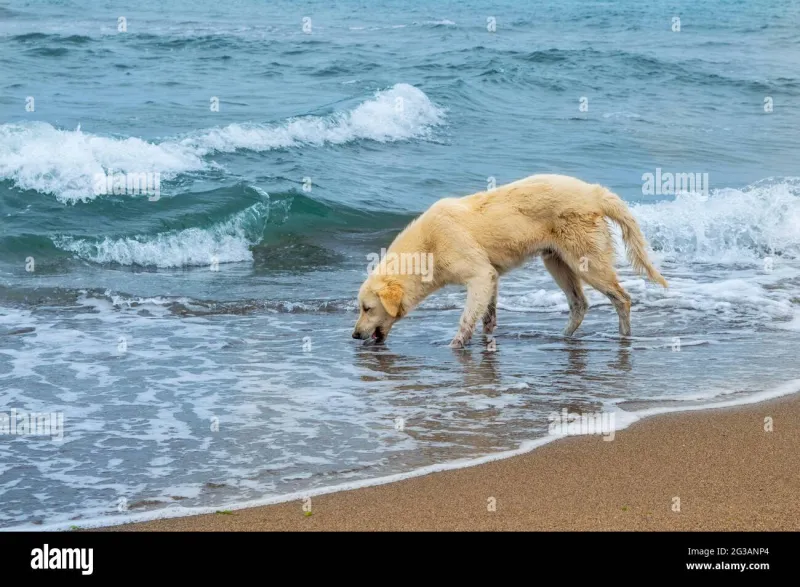
Flip the script. Take short car rides that end at the beach or a park — Jupiter has plenty of both. Let your dog learn that the car is just a thing that happens, not a countdown to a thermometer.
Same with the crate: feed meals in it, toss treats in randomly throughout the week, and leave the door open so it becomes a nap spot instead of a trap.
Practice the Exam Before the Exam
Dogs who hate the vet usually hate being handled in specific ways — paws touched, ears checked, held still. You can desensitize all of this at home in five-minute sessions.
- Handle their paws and ears while they lick peanut butter off a spoon
- Lift their lip and look at their teeth, then reward
- Press gently on their body the way a vet tech might during palpation
Pair every step with something great. You're teaching your dog that being examined pays well.
Ask for What You Need When You Book
This is the part most owners don't know they can do: tell us the situation when you schedule. Requesting a fear-free approach or a quieter appointment time isn't special treatment — it's standard practice for us, and most modern clinics will accommodate it.
Things worth mentioning at booking:
- Your dog gets anxious around other animals (we can seat you in a quieter spot or get you into an exam room quickly)
- Your dog does better with certain handling styles or treats
- Whether a longer appointment slot would help
Consider a Happy Visit
Many clinics, ours included, welcome quick drop-in visits where your dog walks in, gets a treat, maybe steps on the scale, and leaves. No needles, no exams. Do this two or three times and the waiting room stops being a place where scary things happen and starts being a place where chicken falls from the sky.
On the Day Itself
Keep it boring. A tired dog is a calmer dog, so a long morning walk helps. Skip the big breakfast if your dog tends toward car sickness. Bring high-value treats — the kind you'd use for serious training, not the everyday biscuit.
And if your dog is truly beyond what a treat can fix, talk to us about anti-anxiety medication for the visit. There's no prize for white-knuckling it. A mild sedative before an appointment is a compassionate tool, not a failure.
Why This Matters More in South Florida
Our climate means year-round heartworm risk, endless mosquito exposure, and heat stress that doesn't take a season off. Annual exams catch things early — dental disease, weight creep, heart murmurs, lumps — and catching things early is cheaper, easier, and kinder than catching them late.
The dog who fights the vet visit is often the dog who needs it most. A little training now buys your best friend a healthier, longer life on the sand, on the trail, and on the couch next to you.
One Last Thought
If it's been a while, don't be embarrassed. We've seen every version of the parking-lot standoff, and nobody here is judging. Call us, tell us what's going on, and we'll build a plan that works for your dog — not the other way around.