November 30th: The Smartest Thing You Can Do for Your Pet Before Hurricane Season Officially Ends
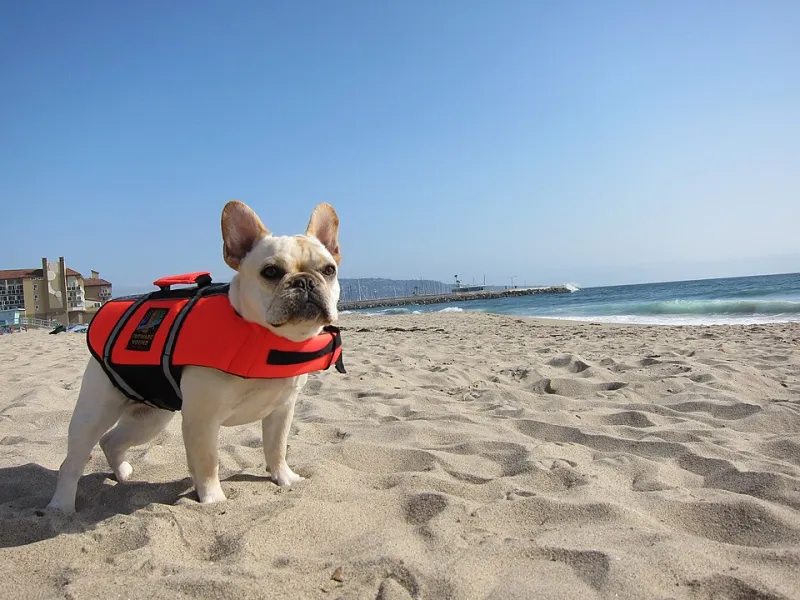
Photo: Department of Homeland Security. Federal Emergency Management Agency. Public Affairs Division. 3/1/2003, Public domain, via Wikimedia Commons
The calendar says hurricane season ends November 30th, and around Jupiter that usually means a collective exhale. The shutters come down, the generator goes back in the shed, and the last thing anyone wants to think about is storms.
Here's the thing, though: the weeks right after season ends are actually the best time to deal with your pet's emergency gear. No named system is spinning toward the Bahamas. Nobody's panic-buying batteries. You can think clearly, shop at your leisure, and fix the problems you noticed back in September while you were stuffing a frightened cat into a carrier at 10 p.m.
So before that bin goes on the garage shelf, run through this off-season checklist.
Pull Out Every Medication and Read the Dates
This is the one that bites people hardest. That bottle of anti-anxiety meds you keep on hand for storm nights? Check the expiration. The extra month of heartworm prevention in the go-bag? Same. The motion sickness pills your dog takes for long car rides to the evac route? You get the idea.
Medications that expire over the off-season are basically useless when you need them in August. Make a list of everything that's dated to lapse before next December, then call us or your regular pharmacy to sort refills now — when there's no rush and no line.
One more note: pills stored in a hot garage or a car trunk in Florida don't keep as well as the label suggests. Heat and humidity degrade medications faster than most owners realize, which is a good argument for where you store the kit (more on that below).
Empty the Water, Toss the Food
A case of bottled water that sat in a hot garage since June is not doing your dog any favors. Water itself doesn't spoil the way food does, but plastic bottles left in extreme heat can leach, and honestly, you don't want to gamble during an emergency anyway.
Dump it, recycle the bottles, and plan to buy fresh in the spring.
Same goes for kibble, canned food, and treats in the kit. Dry food goes stale and loses nutritional value, and cans that spent six months at 95 degrees are questionable at best. Write purchase dates on everything with a marker when you restock, and set a phone reminder for next May to swap it all out.
Check the Paperwork — Then Get It Out of the Garage
Here's a rule we wish every pet owner followed: copies of vaccination records, registration papers, and your pet's medical summary should not live in a storm bin in a garage that could flood.
Instead:
- Scan everything and save it to cloud storage you can reach from your phone
- Email yourself a copy so it's accessible even if your laptop is packed for evacuation
- Keep one paper set in a waterproof pouch inside the kit, and one at home in a drawer
If you evacuate and land at a hotel, a boarding facility, or even our clinic, you'll be asked for proof of vaccinations. Fumbling through your email inbox at a check-in desk is a bad time to discover the scans you meant to make never got made.
Update the Info That Changed This Year
Did you move? Change cell carriers? Get a new phone number? Switch vets? Any of those can quietly break the safety net around your pet.
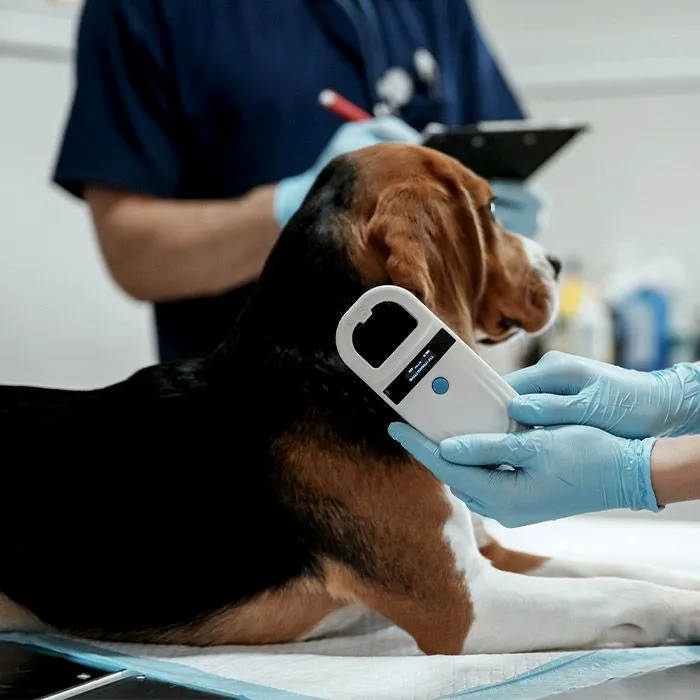
November is a great time to log into your pet's microchip registry and confirm your contact info is current. While you're at it, check that the ID tag on the collar isn't worn illegible — a surprising number of tags become unreadable after a year of Jupiter humidity and beach trips.
If your pet's rabies tag or county license has expired, renew it now rather than during the pre-season scramble.
Inspect the Gear Itself
Crates, carriers, and leashes take a beating. Open the carrier your cat loathes and look for cracked latches, rusted hinges, or that broken zipper you kept meaning to fix. Test the crate you'd use for your dog. If anything failed during the last evacuation or drill, replace it in the off-season when shelves are full and prices are normal.
Also worth checking:
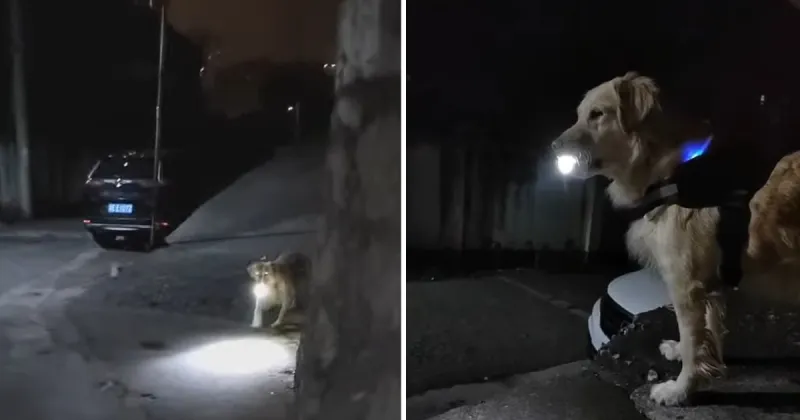
- Flashlights and lanterns — swap batteries or charge power banks
- First-aid supplies — gauze and tape don't last forever in humidity
- Cooling mats or vests — check for mildew or cracks
- Litter, pee pads, and waste bags — replace anything opened or degraded
Pick a Better Storage Spot
A hot, humid garage is one of the worst places in a Florida home to store medications, food, or electronics. If you can, relocate the kit to an interior closet — somewhere climate-controlled, off the floor, and easy to grab on the way out the door.
The easier the kit is to reach, the more likely you are to actually use it.
Turn It Into a Habit, Not a Scramble
The real goal here isn't one tidy checklist — it's making this an annual ritual. Pick a date you'll remember (the first weekend of December works nicely, or your pet's birthday if you're sentimental), and run through the whole thing: meds, food, water, paperwork, tags, gear.
Ten minutes in December buys you a June where you're not the person in the checkout line at 9 p.m. with the last case of water and a nervous dog in the back seat.
And if you're unsure what belongs in a pet storm kit in the first place, or your pet has medical needs that complicate the picture, ask us at your next visit. We'd rather help you build the kit in November than refill prescriptions in a hurry in September.
Storm season is over. Enjoy it — and spend one lazy afternoon making sure next season never catches you off guard.