Two Weeks of Meds, One Ziploc Bag: The Storm Kit Details Jupiter Pet Parents Always Forget

Photo: Davidvraju, CC BY-SA 4.0, via Wikimedia Commons
Ask any Jupiter pet owner who's been through a hurricane season or two what they pack, and you'll hear the same list: kibble, water, leash, carrier. Solid start. But after every big storm, our front desk gets the same calls — my dog's out of his seizure meds, the pharmacy's closed, what do I do? — and by then, it's too late to fix.
So let's talk about the parts of the kit that don't make the grocery-store checklist. The stuff that matters most around hour 48 of an outage.
Prescriptions: The Two-Week Rule, Not the Three-Day Rule
Here's the mistake we see most often: pet parents stock three days of medication because the forecast says the storm will pass in three days. Then the power's out for eight, the roads are littered with debris, and every pharmacy from Indiantown Road to PGA Boulevard is running on a generator and a prayer.
Our rule is simple: two weeks minimum of every prescription, refilled before June 1 and checked again before anything with a name gets a cone drawn on it. That includes the easy-to-forget ones:
- Heartworm and flea preventives — the monthly chewable counts as a medication, and it's the first thing that slips during a disrupted routine
- Seizure and cardiac meds — these cannot be missed, even for a day, and they're the hardest to replace when pharmacies are closed
- Insulin — needs refrigeration, so plan a cooler and ice packs into your kit
- Thyroid and allergy meds — less urgent, but a two-week gap can undo months of progress
Call your vet's office in early summer and ask for an extended supply. Most clinics, including ours, will work with you before a storm — but not the night before landfall, when every phone line in town is ringing.
Paper Records in a Plastic Bag Beat a Phone at 12% Battery
Your phone is a fantastic place to keep vaccination records right up until it's dead, wet, or searching for a signal that doesn't exist. After a storm, you may need proof of rabies vaccination to board your pet, cross a checkpoint, or check into a pet-friendly hotel inland.
Print it all. Rabies certificate, vaccine history, microchip number, your vet's contact info, and a current photo of your pet (in case you're separated). Slide everything into a Ziploc bag — the cheap kind — and tape it to the inside of your pet's carrier or crate. Waterproof, findable in the dark, and it never runs out of battery.
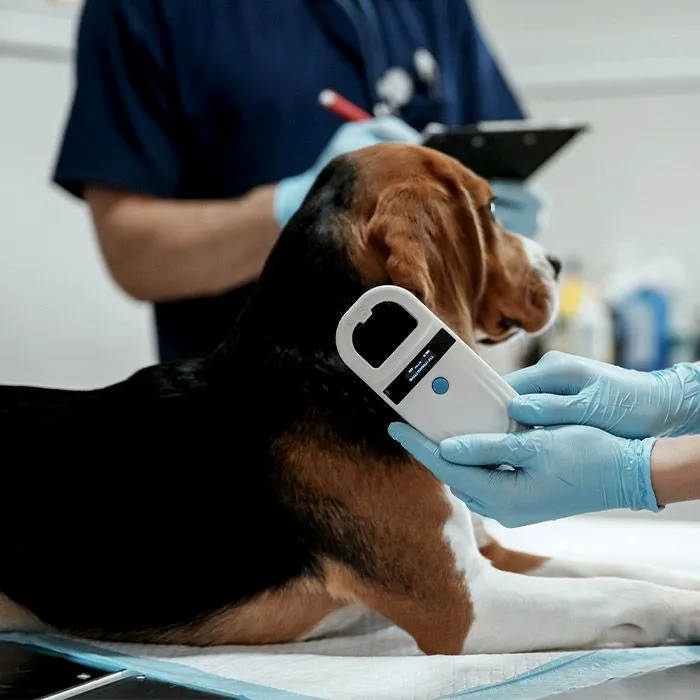
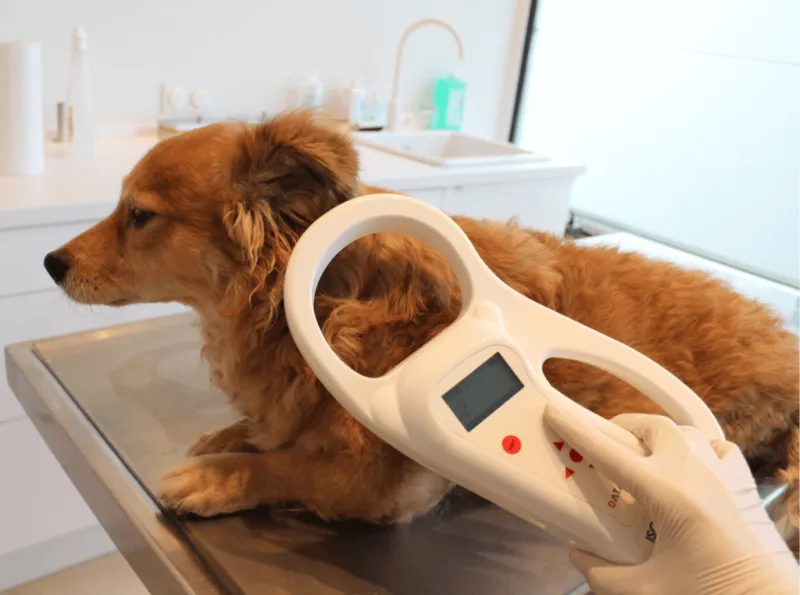
While you're at it, verify that microchip registration. If the phone number attached to the chip is a landline you ditched in 2019, that chip is a placeholder, not a lifeline.
The Anxious Dog in a Loud, Dark House
Hurricanes are a sensory nightmare for noise-sensitive pets: barometric pressure drops, wind howls for hours, and the whole neighborhood's generators rumble like a freight train. A panicked dog can break a crate, slip a collar, or injure himself trying to dig through a door.
Build a calming section into your kit:
- Vet-approved calming aids — pheromone sprays, Thundershirts, or prescription anti-anxiety meds if your pet has a history of storm panic. Ask us about this at a regular visit, not during a watch
- A familiar blanket or bed — smells do more than any product
- Long-lasting chews or lick mats — licking and chewing are natural stress-relievers for dogs
- A dark, interior room picked out in advance — a closet or bathroom without windows, ideally one you've practiced hanging out in
Cats, meanwhile, will find their own hiding spot whether you approve of it or not. Your job is to make sure the carrier is accessible, lined with something that smells like home, and not buried in the garage behind the beach chairs.
Your 72-Hour Pet Kit, Printed and Checked
Copy this list, stick it on the fridge, and check it every June:
Food & Water
- 2+ weeks of pet food (pop-tops or sealed, in waterproof bins)
- 1 gallon of water per pet, per day
- Bowls (collapsible works)
- Manual can opener
Medical
- 2+ weeks of every prescription
- Cooler + ice packs for refrigerated meds
- Pet first-aid basics: gauze, vet wrap, antiseptic, tweezers
- Flea/tick and heartworm preventives
Paperwork
- Printed vaccine records in a Ziploc
- Rabies certificate
- Microchip number + registration info
- Vet contact info (ours, and an inland backup)
- Current photos of your pet
Comfort & Containment
- Carrier or crate, labeled with your contact info
- Leash and harness (not just a collar)
- Litter and portable pan, or poop bags
- Calming aids and familiar bedding
- Toys and chews
One Last Thing: Know Where You'd Go
Not every shelter takes pets, and not every friend's house two counties inland is an option. Before the season starts, identify pet-friendly hotels along your evacuation route, confirm whether your county's shelter accepts animals and what paperwork they require (see: that Ziploc bag), and line up one out-of-area emergency contact.
Storm prep isn't fun, and nobody's framing their Ziploc of vaccine records. But the peace of mind is real — and when the next storm spins up in the Atlantic, you'll be packing a kit that actually works instead of a list of regrets.
Questions about extended medication supplies, calming options for storm-anxious pets, or what records to keep on hand? Give us a call before the next cone of uncertainty includes your zip code. We're happy to walk through it with you.