That Head Shake After the Beach Means Something: A Jupiter Dog Owner's Guide to Saltwater Ears
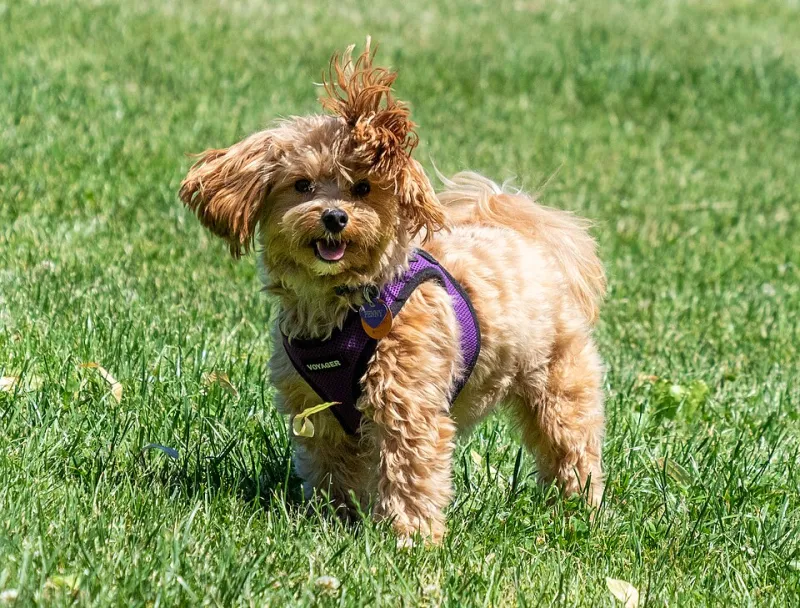
Photo: Rhododendrites, CC BY-SA 4.0, via Wikimedia Commons
Picture this: a perfect Saturday at Jupiter Beach. Your dog has spent two hours splashing through the surf, digging craters in the sand, and living their absolute best life. Sunday morning? They're shaking their head like they're trying to launch their ears into orbit, and there's a faint yeasty smell coming from somewhere you can't quite place.
Sound familiar? You're not imagining it. Every summer, our exam rooms fill with salty, sandy, thoroughly happy dogs who picked up an unwanted souvenir from the water: an ear infection.
Why the Beach and Dog Ears Don't Mix
A dog's ear canal isn't shaped like yours. While a human ear canal runs mostly horizontal, a dog's is L-shaped — a vertical drop, then a horizontal turn toward the eardrum. That little corner is a natural collection point for anything that finds its way in: water, sand, salt crystals, and the debris that comes along for the ride.
Once moisture settles into that dark, warm, poorly ventilated space, it stays there. And warm, moist, dark environments are exactly what yeast and bacteria dream about. Add salt residue, which draws moisture and irritates the delicate skin lining the canal, and you've essentially built a five-star hotel for microorganisms inside your dog's head.
The Floppy Ear Problem
Not all dogs face equal risk. Breeds with erect ears — think German Shepherds or Siberian Huskies — get some natural airflow through their canals, which helps things dry out. But dogs with heavy, pendant-shaped ears like Golden Retrievers, Labrador Retrievers, Cocker Spaniels, and Basset Hounds live with a permanent lid over their ear openings.
That floppy flap traps humidity and blocks ventilation. When you layer a saltwater swim on top of it, the drying time stretches from hours to days. Labs, being the most enthusiastic swimmers on any Florida beach, end up disproportionately represented in the itchy-ear department.
If your dog also has allergies — and many Florida dogs do, thanks to year-round pollen and grass — the skin inside their ears is already inflamed and vulnerable. A swim can be the nudge that tips a mildly irritated ear into a full-blown infection.
The Five-Minute Post-Beach Routine
Here's the good news: a little prevention goes a remarkably long way. After any swim, whether it's the ocean, the Intracoastal, or your neighborhood retention pond, run through this quick routine:
-
Towel-dry the outer ears. Gently lift the ear flap and blot what you can reach with a soft, dry towel. Don't go digging with cotton swabs — they push debris deeper into that L-shaped canal and can damage the eardrum.
-
Use a veterinary ear rinse designed for dogs. A few drops in each ear, massage the base of the ear for about twenty seconds, then let your dog do what dogs do best: shake it all out. (Do this outside. Trust us.)
-
Dry the ear flap again. A second pass with the towel after the shake-out removes the rinse along with residual moisture.
-
Check the sand situation. If you can see grit around the ear opening, a damp cloth on the outer ear will handle it. Never try to flush sand out of the canal yourself.
-
Set a reminder to recheck in 24 hours. Catching early redness or odor makes treatment dramatically simpler.
Some owners of frequent swimmers also use a drying ear rinse with a mild acidifying agent — these help restore the ear's natural pH and discourage microbial growth. Ask us which product suits your dog; not all over-the-counter rinses are created equal, and dogs with ruptured eardrums or chronic ear disease shouldn't use certain formulations.
When Cleaning at Home Isn't Enough
There's a line between routine maintenance and a medical problem, and it's worth knowing where it sits. Call us if you notice:
- Head shaking that continues more than a day after a swim
- A yeasty, sour, or foul odor from the ear
- Redness, swelling, or dark discharge (brown, yellow, or bloody)
- Scratching at the ears, rubbing the head on furniture, or tenderness when touched
- A head tilt or unusual wobbliness, which can signal the infection has moved deeper
Here's the part we wish every dog owner knew: ear infections don't resolve on their own, and delaying treatment makes them harder to clear. Chronic otitis can thicken the ear canal tissue, making future infections more likely and more stubborn. What starts as a simple medicated drop prescription can escalate into a long-term management problem if it's ignored through several beach seasons.
Also worth saying: the internet's favorite home remedies — vinegar solutions, hydrogen peroxide, coconut oil — range from unhelpful to genuinely harmful, especially if the eardrum is compromised. If you're not sure what's going on in that canal, let us look before you pour anything in it.
Keep the Beach Days Coming
None of this is an argument against swimming. The exercise, the joy, the bond — it all matters, and a dog who loves the water in a place like Jupiter is a lucky dog indeed. It's simply a matter of closing the loop: swim, rinse, dry, repeat.
If your pup is a regular swimmer, bring them in for a quick ear check at their next wellness visit and ask us to recommend a rinse you can keep in your beach bag. A two-minute habit after each dip can spare your dog weeks of discomfort — and spare your wallet a much bigger bill down the road.
Now go enjoy the water. Just pack the ear rinse next to the towels.